How do you choose the right needle for hand sewing? Below we explain what kinds of needles there are for hand sewing because there are differences! Needles with a sharp point, needles without a sharp point or crewel needles, long needles, short needles, thick needles, thin needles, etcetera. Many hand sewing needles have different names. Some names define the use, for example embroidery needles or quilting needles. Others a named after the person who uses them like hatter needles.
Choose the right needle for normal fabrics
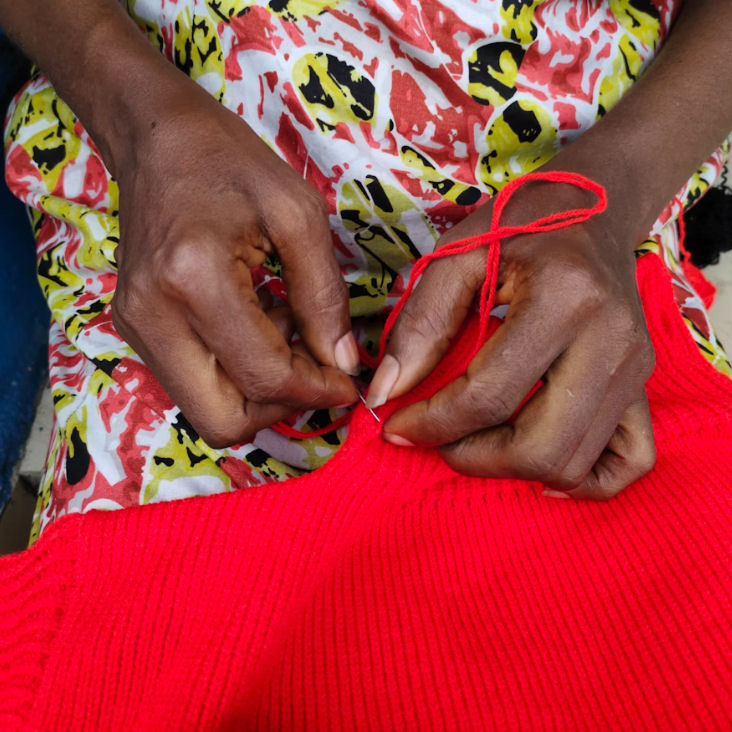
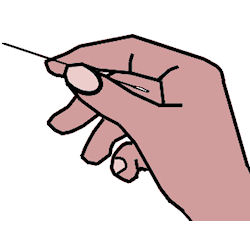
When choosing the right needles for hand sewing normal fabrics make sure the needle you choose has a sharp point because you need to be able to push it through the fabric! There are short and longer hand sewing needles. In my experience using shorter needles results in shorter stitches and therefore a “finer” finish. Often times the short needles do have tiny eyes so a threading aid is no luxury. The best selling hand sewing needles are Betweens or medium length needles. Are you a sewing novice with limited experience then I would suggest you start with betweens.
Choosing needles for hand embroidery
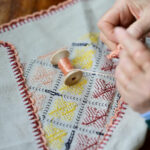
When choosing needles for hand embroidery you will find that the eyes are different from hand sewing needles. The eyes of embroidery needles are longer because with hand embroidery the thread is bulkier than when hand sewing. For cross stitch embroidery you use crewel needles which have blunt tips. The special fabric “with a countable structure” on which cross stitch embroidery is done is called Aida. Also called evenweave, linen or normal cotton can be used as well. Normally hand embroidery fabric is a somewhat loosed weave than sewing fabrics. Sharp embroidery needles are used to embroider on cotton for example.
Choosing the Right Needles for Hand Quilting
Choosing the right needle for hand quilting isn’t difficult. Quilting needles (also known as “betweens”) are similar to regular sewing needles but have a sharp point to easily pierce through multiple layers of fabric. A needle puller can be a real lifesaver here as well.
Choosing Specialty Needles
Make sure to choose the right needle for hand-sewing specific materials, such as leather. Leather is difficult to pierce with a standard needle, which is why specialty leather needles are designed with a triangular cutting point. ((similar to leather needles for sewing machines).)
Other specialty needles include curved or semi-circular needles. These are the perfect choice for repairing furniture, such as fabric or leather sofas. The great thing about these needles is that they naturally curve back out of the fabric.
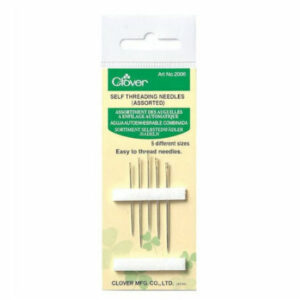
Specialty hand needles also include self-threading needles. (often called “blind needles” or “handicap needles” in Dutch). I personally find the English term “open-eye needles” much nicer than the Dutch names, but we have to make do! The beauty of these needles is the opening at the top of the eye, allowing you to simply slide the thread down into the eye. (This type is also available for sewing machines.)
If you struggle with threading needles, these are the right choice for your hand-sewing projects.
Choosing the Right Needles for Basting and Thread Loops
Needles for basting and creating thread loops look similar to embroidery needles regarding the eye. Basting thread is more loosely twisted and a bit fluffier, which makes it break easily. This allows you to remove the thread from the fabric more easily after sewing. These needles have a sharp point.
Organization Tips
It can be quite difficult to tell hand-sewing needles apart. That’s why it is useful to create different storage solutions for the types of needles you own. Consider a needle book specifically for embroidery needles, a pincushion for needles used on regular fabrics, a small box exclusively for quilting needles, and so on. This makes it easy to keep the various types organized.
Need some inspiration? Read our blog: How to keep my machine and hand needles in top condition on or our page Identifying sewing machine needles